Crime scene investigation requires far more than simply locating and collecting evidence. Investigators must be able to evaluate a scene, recognize what is significant, document conditions accurately, apply appropriate processing techniques, preserve the integrity of physical evidence, and begin interpreting what the evidence reveals about the events that occurred.
This comprehensive 40-hour course provides law enforcement officers and crime scene personnel with a practical, systematic approach to investigating and processing crime scenes. Students progress from initial scene assessment and legal considerations through documentation, searching, evidence recognition, collection, preservation, and reconstruction concepts. The course combines classroom instruction, demonstrations, case-based discussion, and hands-on exercises to reinforce both the how and the why behind effective crime scene investigation.
Topics include scene security and assessment; legal considerations and search authority; systematic crime scene processing; photography, notes, measurements, and sketching; search methodologies; evidence recognition and preservation; chain of custody; biological and DNA evidence; latent print processing; alternate light sources; firearms and trace evidence; hazardous-scene considerations; homicide, suicide, suspicious-death and staged-scene investigations; and the evaluation of physical evidence to assist in determining the sequence of events.
Students will apply course concepts during practical exercises and a comprehensive mock crime scene in which they must assess, document, process, preserve, and collect evidence and communicate their investigative findings. Your lesson plan specifically emphasizes scene control, planning, documentation, collection, preservation, and processing during this final application.
This course satisfies the instructional requirements of TCOLE Course #2106, Crime Scene Investigation (Intermediate), for the Intermediate Peace Officer Proficiency Certification. TCOLE identifies 2106 as a 40-hour proficiency course.
Crime scene investigation requires far more than simply locating and collecting evidence. Investigators must be able to evaluate a scene, recognize what is significant, document conditions accurately, apply appropriate processing techniques, preserve the integrity of physical evidence, and begin interpreting what the evidence reveals about the events that occurred.
This comprehensive 40-hour course provides law enforcement officers and crime scene personnel with a practical, systematic approach to investigating and processing crime scenes. Students progress from initial scene assessment and legal considerations through documentation, searching, evidence recognition, collection, preservation, and reconstruction concepts. The course combines classroom instruction, demonstrations, case-based discussion, and hands-on exercises to reinforce both the how and the why behind effective crime scene investigation.
Topics include scene security and assessment; legal considerations and search authority; systematic crime scene processing; photography, notes, measurements, and sketching; search methodologies; evidence recognition and preservation; chain of custody; biological and DNA evidence; latent print processing; alternate light sources; firearms and trace evidence; hazardous-scene considerations; homicide, suicide, suspicious-death and staged-scene investigations; and the evaluation of physical evidence to assist in determining the sequence of events.
Students will apply course concepts during practical exercises and a comprehensive mock crime scene in which they must assess, document, process, preserve, and collect evidence and communicate their investigative findings. Your lesson plan specifically emphasizes scene control, planning, documentation, collection, preservation, and processing during this final application.
This course satisfies the instructional requirements of TCOLE Course #2106, Crime Scene Investigation (Intermediate), for the Intermediate Peace Officer Proficiency Certification. TCOLE identifies 2106 as a 40-hour proficiency course.
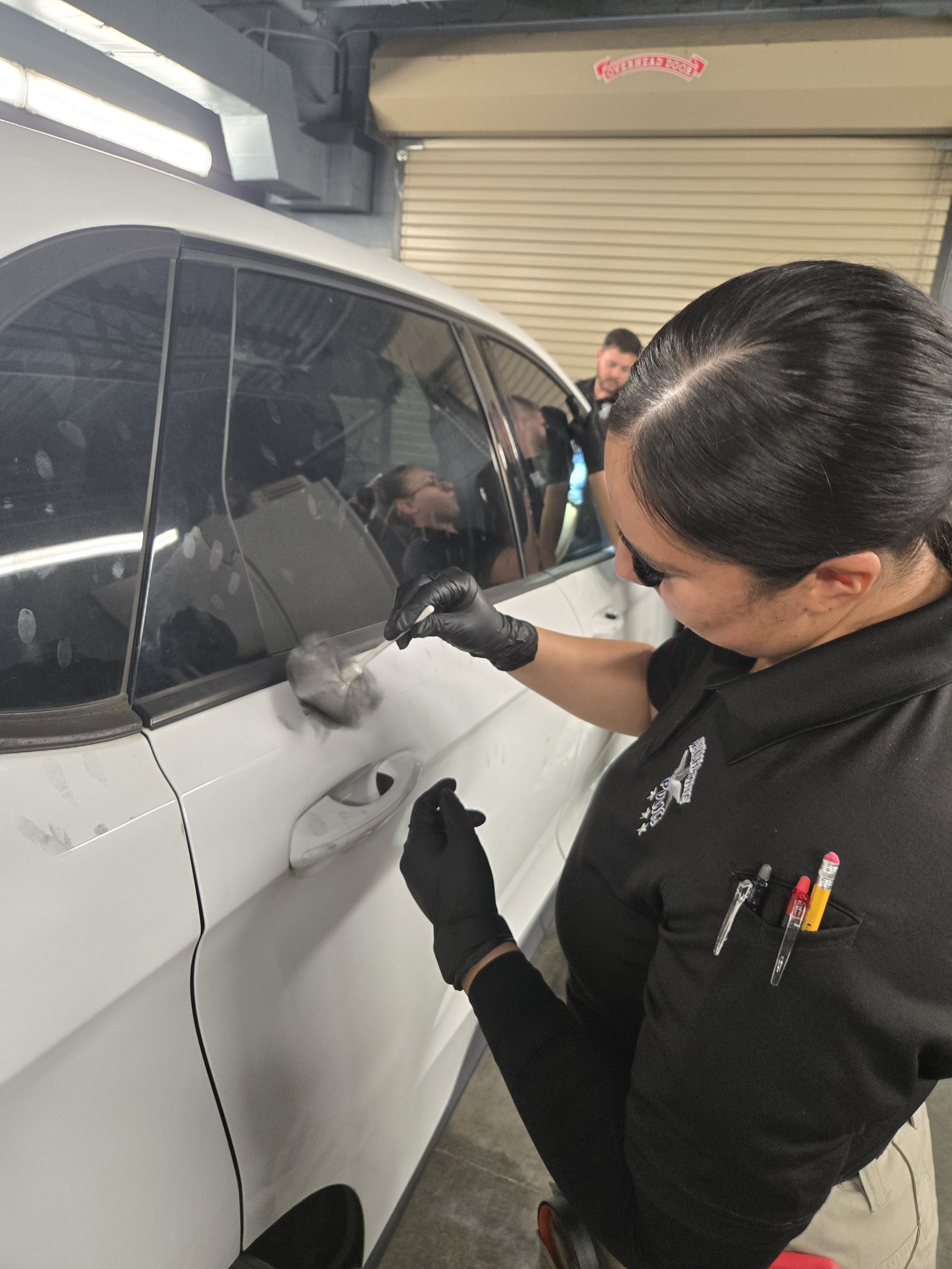 Image 1 of 6
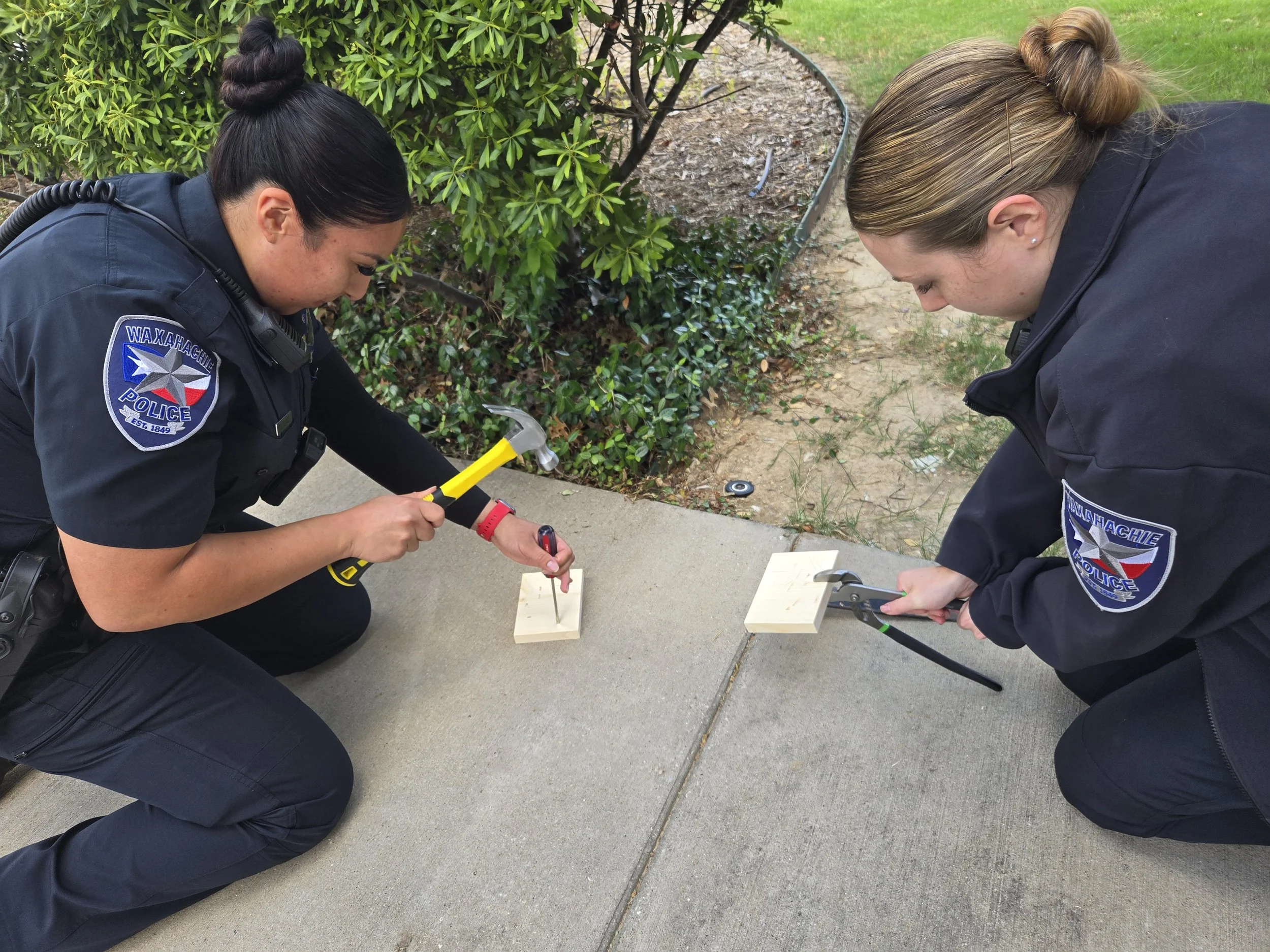 Image 2 of 6
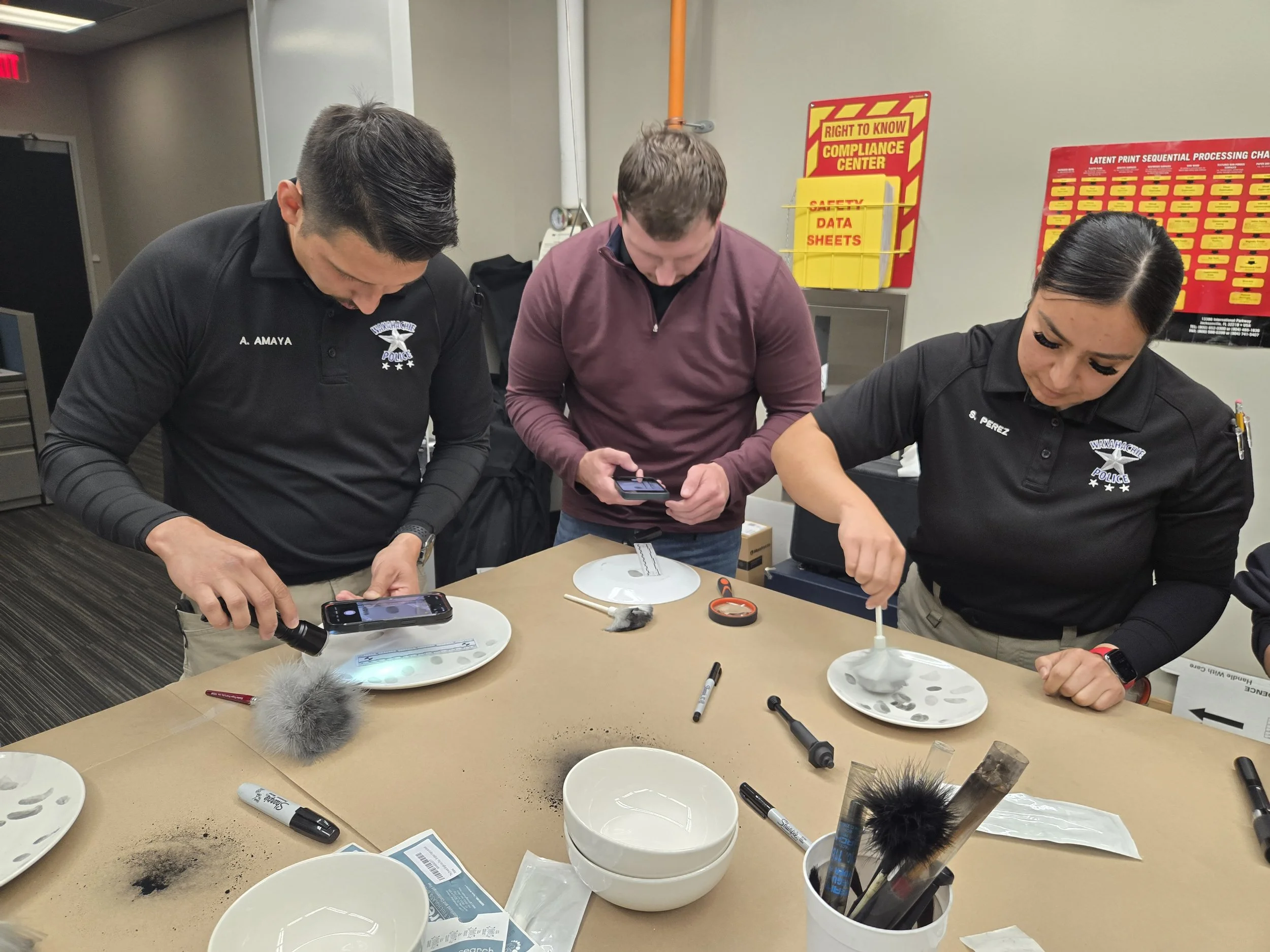 Image 3 of 6
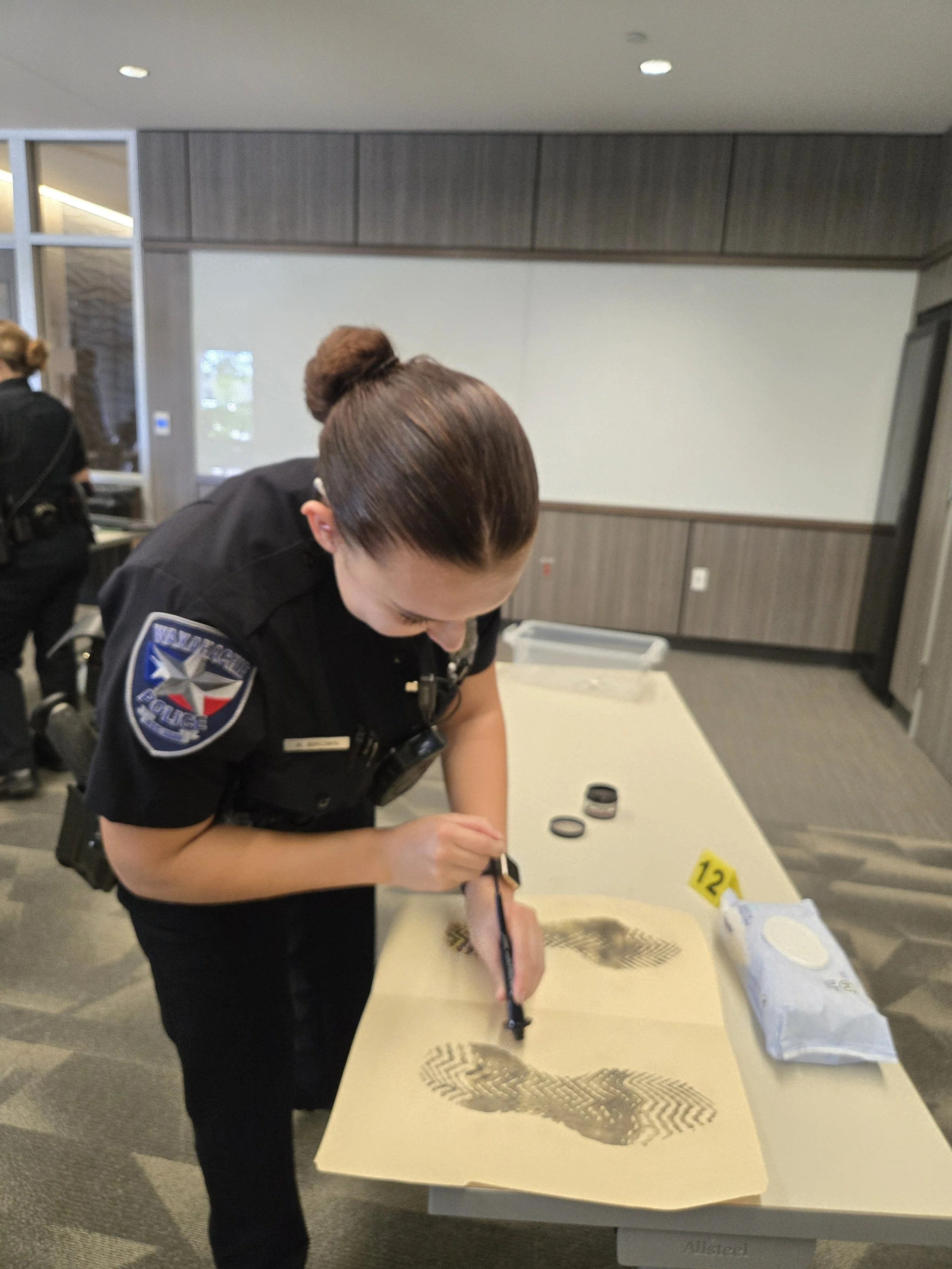 Image 4 of 6
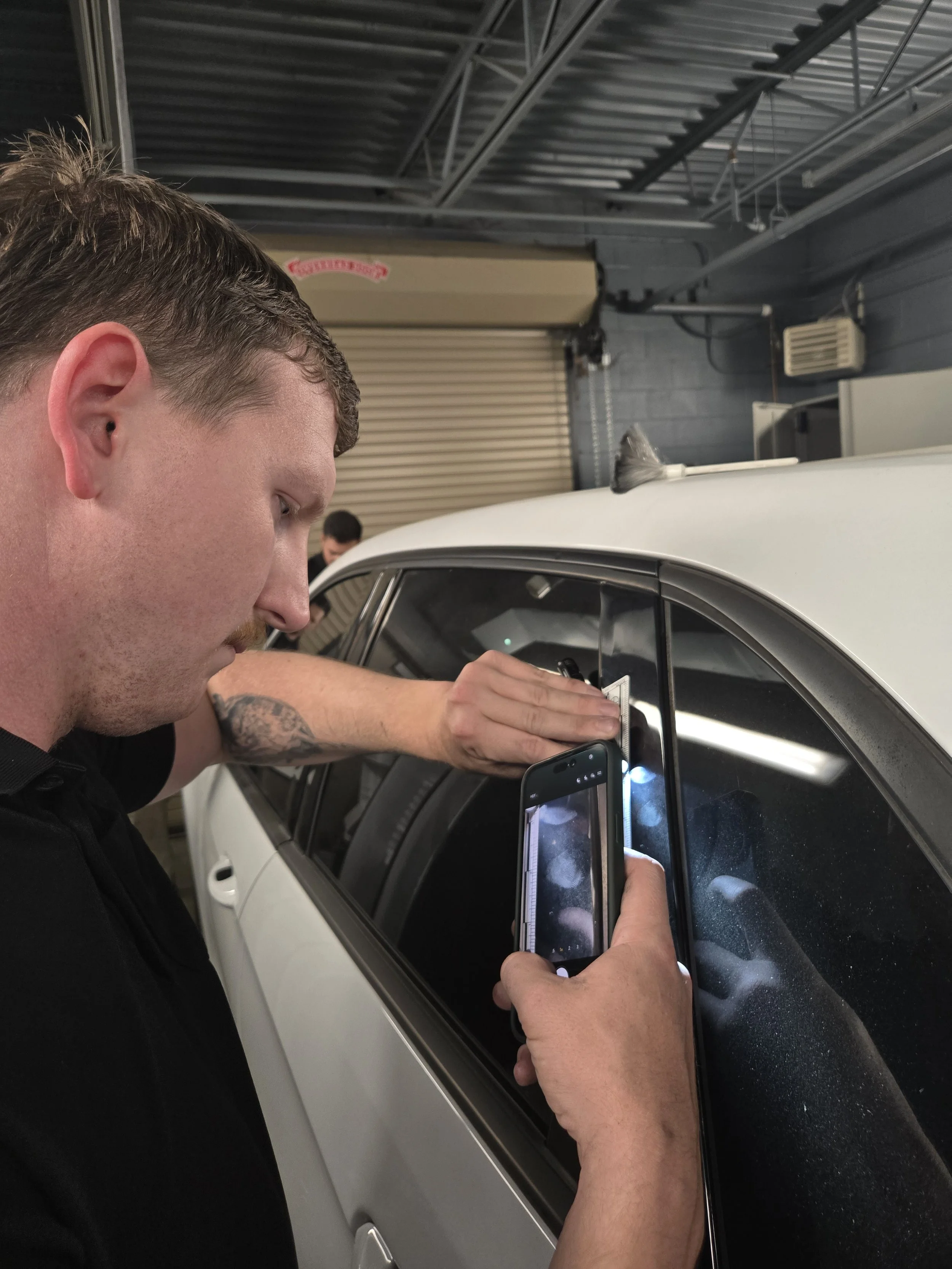 Image 5 of 6
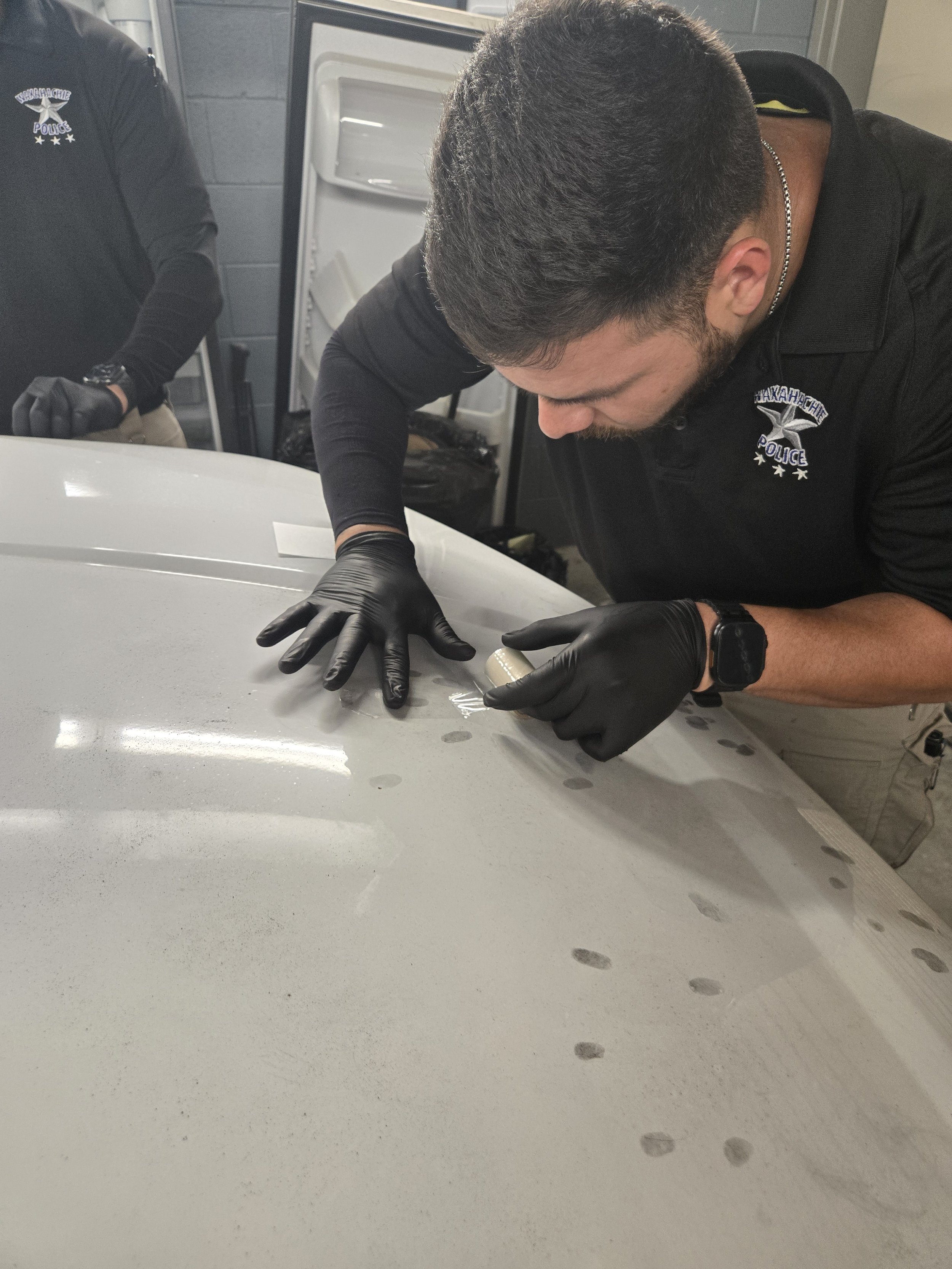 Image 6 of 6